
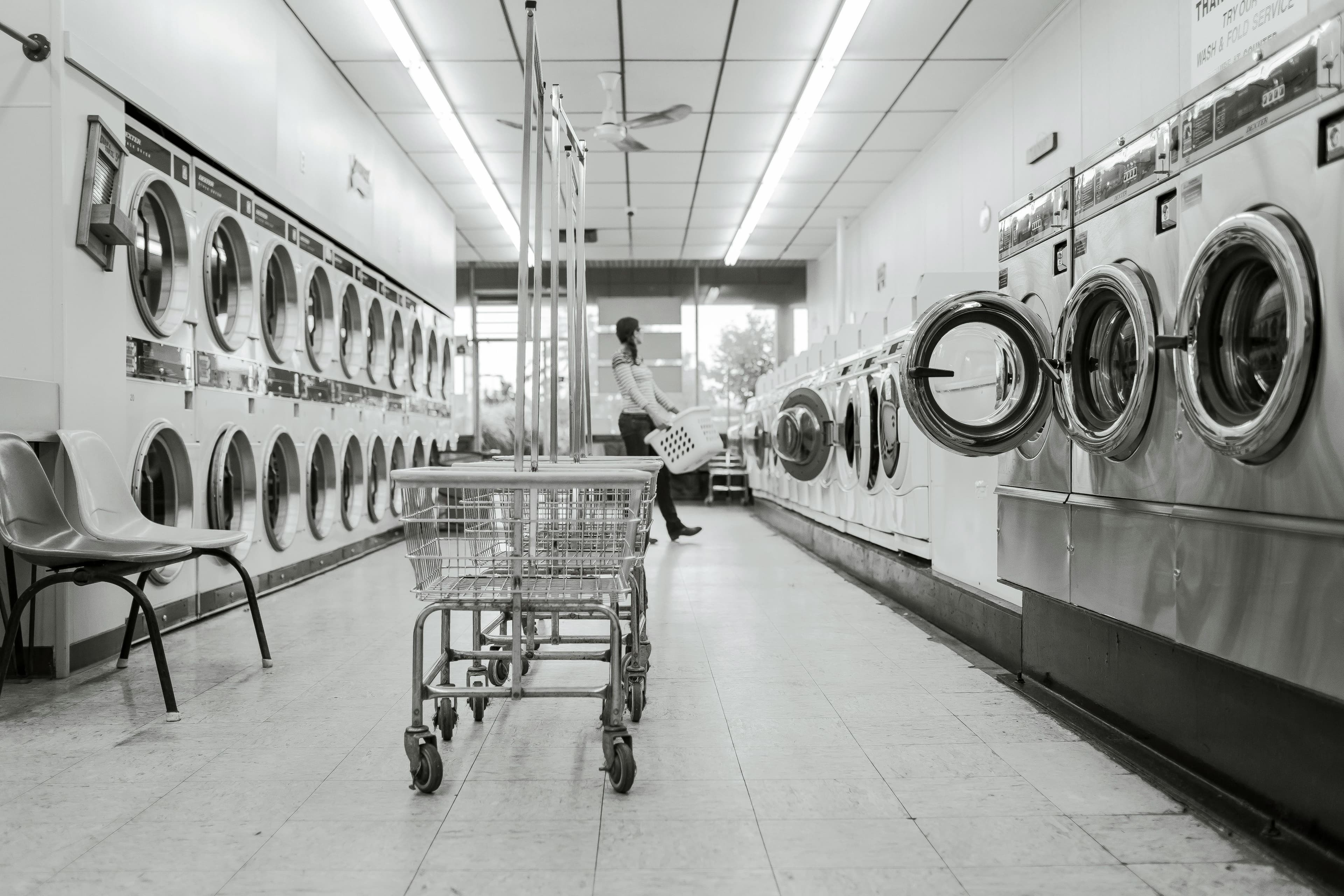
Quick Answer: What Due Diligence Do You Need for a Laundromat?
Before buying a laundromat, you need to verify financials through bank statements and utility bills, inspect all equipment professionally, review the lease carefully, check for legal issues like UCC liens, research competition and market conditions, and understand day to day operations. Skipping due diligence is the #1 mistake that costs buyers tens of thousands of dollars. This guide covers exactly what to check and how to verify everything.
You found a laundromat that looks perfect. The revenue numbers are strong. The location seems ideal. The seller says everything is in great shape. You're ready to make an offer and close the deal.
Stop. Right there.
Before you sign anything or hand over any money, you need to do thorough due diligence. This is the step that separates successful buyers from those who lose tens of thousands of dollars on bad deals.
I've seen buyers skip due diligence because they were excited about a business or trusted the seller. I've seen buyers do partial due diligence and miss critical issues. And I've seen buyers who did everything right and discovered problems that saved them from making a terrible mistake.
In Part 1 of this series, I covered the fundamentals of buying a laundromat: what to look for, why they're popular, and key metrics to evaluate. In this Part 2, I'll walk you through the complete due diligence process. I'll show you exactly what documents to review, what inspections to get, what questions to ask, and what red flags should make you walk away.
This is the most important part of buying a laundromat. Get it wrong, and you could be stuck with a money pit. Get it right, and you'll have confidence in your purchase and avoid costly surprises.
Why Due Diligence Matters for Laundromats
Let me start by explaining why due diligence is especially critical for laundromats. Understanding the risks helps you take the process seriously.
Cash Businesses Hide Problems
Laundromats are cash businesses, which means revenue can be hard to verify. Sellers might inflate numbers to get a higher price. They might underreport on taxes but overreport to you. Without proper verification, you're buying based on trust, not facts.
I've seen sellers claim $25,000 per month in revenue when the actual number was $18,000. That $7,000 difference changes the entire valuation. At a 3x multiple, that's a $21,000 overpayment. And that's just revenue. Expenses can be hidden too.
Equipment Can Look Fine But Be Broken
Laundromat equipment might look clean and functional during a walkthrough. But looks can be deceiving. A washer might run during your visit but break down the next week. The coin mechanism might work but be on its last legs. The plumbing might look fine but have hidden leaks.
I've seen buyers inherit equipment that needed $30,000 to $50,000 in immediate repairs. The seller knew about the problems but didn't disclose them. A professional inspection would have caught these issues before closing.
Leases Can Have Hidden Traps
The lease might seem straightforward, but commercial leases are complex documents. There might be rent increases coming that the seller didn't mention. There might be clauses that prevent you from making improvements. There might be termination rights that let the landlord kick you out.
I've seen buyers get stuck with leases that had 20% rent increases scheduled for the next year. That increase turned a profitable business into a break even operation. A careful lease review would have caught this.
Competition Can Change Quickly
The competitive landscape might look stable today, but it can change fast. A new laundromat might be planned nearby. An apartment building might be adding in unit laundry. A competitor might be planning to renovate and steal your customers.
I've seen buyers purchase laundromats only to discover a new competitor opening a block away six months later. Revenue dropped 25% within a year. Researching planned developments would have revealed this risk.
How Do You Verify Laundromat Financials?
This is where you verify that the revenue and profit numbers are real. Don't trust what the seller tells you. Verify everything independently. Since laundromats are cash businesses, revenue can be hard to verify, but these methods work.
This is where you verify that the revenue and profit numbers are real. Don't trust what the seller tells you. Verify everything independently.
Review Tax Returns
Start with tax returns for the past 3 years. These show what the seller reported to the IRS, which is often more accurate than what they tell buyers.
What to look for:
- Revenue trends (growing, stable, or declining?)
- Expenses and profit margins
- Depreciation schedules (tells you about equipment age)
- Any losses or unusual items
- Consistency with what the seller claims
Red flags:
- Revenue on tax returns is much lower than what seller claims (seller might be inflating numbers)
- Declining revenue over time (business might be in decline)
- Large losses or write offs (might indicate problems)
- Inconsistent numbers year to year (might indicate poor record keeping)
Important note: Many laundromat owners underreport revenue on taxes because it's a cash business. So tax returns might show lower revenue than reality. But they're still a starting point. If tax returns show $15,000 per month and the seller claims $30,000, that's a huge red flag.
Review Bank Statements
Bank statements show actual cash deposits, which is the most reliable way to verify revenue for cash businesses.
What to review:
- 12 to 24 months of bank statements
- Total monthly deposits
- Deposit patterns (consistent or erratic?)
- Large deposits that might be one time events
- Missing months or gaps
How to analyze:
- Calculate average monthly deposits
- Look for seasonal patterns
- Identify any unusual spikes or drops
- Compare to seller's claimed revenue
- Account for any non revenue deposits (loans, personal transfers, etc.)
What's normal:
- Deposits should roughly match claimed revenue (within 10 to 20%)
- Some variation month to month is normal
- Seasonal patterns are common (busier in winter, slower in summer)
Red flags:
- Deposits are 30%+ lower than claimed revenue (seller is inflating numbers)
- Declining deposits over time (business is shrinking)
- Erratic deposit patterns with no explanation (might indicate problems)
- Large gaps in deposits (business might have been closed or had issues)
I always get 24 months of bank statements if possible. This gives me a full picture of the business's performance over time, not just recent months that might be unusually good or bad.
Review Utility Bills
Utility bills are one of the best ways to verify that a laundromat is actually operating and how busy it is. High water and electricity usage means lots of machines running. Low usage means the business might not be as busy as claimed.
What to review:
- 12 to 24 months of water bills
- 12 to 24 months of electricity bills
- Usage patterns and trends
- Cost per unit (rates might be increasing)
- Any unusual spikes or drops
How to analyze:
- Calculate average monthly usage
- Look for trends (increasing, stable, or decreasing usage)
- Compare usage to claimed revenue (more usage should mean more revenue)
- Check for seasonal patterns
- Verify rates and calculate if costs are rising
What to watch for:
- Usage declining over time (might indicate declining business)
- Usage much lower than expected for claimed revenue (revenue might be inflated)
- Utility costs rising faster than revenue (profit margins shrinking)
- Unusual spikes that might indicate leaks or equipment problems
I've used utility bills to catch sellers who were inflating revenue. If they claim $20,000 per month but the water usage suggests only $12,000 in activity, something doesn't add up.
Review Payment Processor Statements
If the laundromat has card readers, get the payment processor statements. These show actual card transactions, which is another way to verify revenue.
What to review:
- Monthly transaction volumes
- Number of transactions
- Average transaction size
- Transaction trends over time
- Any processing fees or issues
How to use this data:
- Card revenue + estimated cash revenue = total revenue
- Compare to seller's claimed total revenue
- Calculate what percentage of revenue is card vs cash
- Verify that card revenue trends match overall revenue trends
Important: Not all customers use cards. Many still use cash. So card revenue is only part of the picture. But it's a data point that helps verify the overall numbers.
Calculate Maximum Possible Revenue
This is a reality check. Calculate what the maximum possible revenue could be based on the equipment and hours of operation.
How to calculate:
- Count total washers and dryers
- Determine average cycle time (typically 30 to 45 minutes for washers, 30 to 60 minutes for dryers)
- Calculate cycles per day based on hours open
- Multiply by average price per cycle
- Account for capacity (not every machine runs every cycle)
Example:
- 20 washers, 20 dryers
- Open 16 hours per day
- Average washer cycle: $3.00, 40 minutes
- Average dryer cycle: $1.50, 45 minutes
- Maximum cycles per day: (16 hours × 60 minutes) / 40 minutes = 24 cycles per washer
- Maximum daily revenue: (20 washers × 24 cycles × $3.00) + (20 dryers × 21 cycles × $1.50) = $1,440 + $630 = $2,070
- Maximum monthly revenue: $2,070 × 30 days = $62,100
Reality check:
Most laundromats operate at 40 to 60% of maximum capacity. So if maximum is $62,100, realistic revenue might be $25,000 to $37,000 per month. If the seller claims $50,000 per month, that's probably inflated.
This calculation helps you understand if the claimed revenue is physically possible. If it's not, the seller is either lying or the business has some unique advantage you need to understand.
What Should You Check When Inspecting Laundromat Equipment?
The equipment is one of your biggest assets and biggest risks. Old or poorly maintained equipment can cost you tens of thousands in repairs or replacement. Here's exactly what to inspect and how to do it.
The equipment is one of your biggest assets and biggest risks. Old or poorly maintained equipment can cost you tens of thousands in repairs or replacement.
Get a Professional Inspection
Never skip the equipment inspection. Have a qualified technician inspect every machine, the plumbing, electrical systems, and building systems.
What the inspection should cover:
- Age and condition of each washer and dryer
- Functionality of coin mechanisms and card readers
- Water pressure and drainage systems
- Electrical systems and capacity
- HVAC systems (heating, ventilation, air conditioning)
- Plumbing and water supply
- Security systems
- Building structure and condition
What to ask the inspector:
- What's the expected remaining life of each machine?
- What repairs are needed immediately?
- What repairs will be needed in the next 1 to 2 years?
- What's the estimated cost of needed repairs?
- Are there any safety issues?
- Is the electrical system adequate for the equipment?
- Are there any code violations?
Cost of inspection:
Expect to pay $500 to $1,500 for a thorough inspection. It's worth every penny. I've seen inspections catch $20,000 to $50,000 in needed repairs that buyers didn't know about.
Review Maintenance Records
Ask the seller for maintenance records for the past 2 to 3 years. These show how well the equipment has been maintained and what problems have occurred.
What to look for:
- Frequency of repairs (more frequent = more problems)
- Types of repairs (same problems recurring = bigger issues)
- Cost of repairs (high costs = expensive to maintain)
- Age of equipment being repaired (older = more problems coming)
- Professional vs DIY repairs (DIY might indicate deferred maintenance)
Red flags:
- No maintenance records (seller hasn't been maintaining equipment)
- Frequent breakdowns of the same machines (chronic problems)
- Very high repair costs (equipment might be at end of life)
- All repairs are recent (seller might have deferred maintenance and is catching up now)
Check Equipment Age
Know the age of every major piece of equipment. Commercial washers and dryers typically last 10 to 15 years with good maintenance. If equipment is 8 to 10 years old, you're looking at replacement costs soon.
How to determine age:
- Look for model numbers and serial numbers
- Check manufacturer date codes
- Review purchase records if available
- Ask the seller directly (but verify)
Replacement costs:
- Commercial washer: $3,000 to $6,000
- Commercial dryer: $2,000 to $4,000
- Coin mechanism: $300 to $600
- Card reader system: $500 to $1,500 per machine
If you have 20 washers and 20 dryers that are 12 years old, you could be looking at $100,000 to $200,000 in replacement costs within a few years. Factor this into your purchase decision.
Test Payment Systems
Make sure all payment systems work: coin mechanisms, bill acceptors, and card readers.
What to test:
- Insert coins and verify they register
- Insert bills and verify they're accepted
- Test card readers with actual cards
- Verify that machines start when payment is made
- Check that change is dispensed correctly
- Test refund mechanisms
Problems to watch for:
- Machines that don't accept payment
- Card readers that don't work
- Coin mechanisms that are jammed or broken
- Bill acceptors that reject valid bills
- Systems that are outdated and need upgrading
Payment system problems mean lost revenue. If 5 out of 20 washers don't accept payment, you're losing 25% of potential revenue from those machines.
What Should You Look for in a Laundromat Lease?
The lease can make or break your investment. Review it carefully with a commercial real estate attorney. Here are the critical terms that can turn a good business into a bad investment.
The lease can make or break your investment. Review it carefully with a commercial real estate attorney.
Key Lease Terms to Review
Lease length and renewal:
- How many years remain on the current lease?
- Is there a renewal option? What are the terms?
- What happens if you want to extend beyond the current term?
- Can the landlord terminate early? Under what conditions?
Rent amount and increases:
- What is the current monthly rent?
- Are there scheduled rent increases? When and how much?
- How is rent calculated? (Fixed amount, percentage of revenue, etc.)
- What was the rent history? (Has it been increasing?)
Lease type:
- Gross lease (landlord pays some expenses) vs triple net (you pay everything)
- Who pays utilities, taxes, insurance, maintenance, repairs?
- Are there common area maintenance (CAM) charges?
- What's included vs excluded?
Assignment and transfer:
- Can you assign the lease to a new owner if you sell?
- What are the requirements for assignment?
- Can the landlord refuse assignment? Under what conditions?
Use restrictions:
- Are there restrictions on how you can use the space?
- Can you make improvements or modifications?
- Are there exclusivity clauses? (Prevents other laundromats nearby?)
- Can you sublease part of the space?
Termination clauses:
- Can you terminate early? What are the penalties?
- Can the landlord terminate early? Under what conditions?
- What happens if the building is sold or redeveloped?
Verify Lease Terms with Landlord
Don't just trust the lease document. Contact the landlord directly to verify:
- Current rent amount
- Any upcoming rent increases
- Lease expiration and renewal options
- Any planned changes to the building or area
- Relationship with current tenant (any issues?)
- Plans for the property
I've seen leases that said one thing but the landlord had different plans. Always verify directly.
Check Rent as Percentage of Revenue
Calculate what percentage of revenue goes to rent. This tells you if the location cost is sustainable.
How to calculate:
Monthly rent divided by monthly revenue, expressed as a percentage.
What's healthy:
- 8 to 12% is ideal
- 12 to 15% is acceptable
- Over 15% is concerning
- Over 20% is a red flag
Why it matters:
If rent is 20% of revenue and you have a 25% net margin, rent is eating most of your profit. A rent increase could make the business unprofitable. Model what happens if rent increases by 10%, 20%, or 30% to see if the business can still work.
Research the Landlord
Know who you're renting from. Research:
- Who is the landlord? (Individual, company, REIT?)
- What's their reputation? (Check online reviews, ask other tenants)
- Do they own other properties? (Are they experienced landlords?)
- Any history of problems? (Lawsuits, complaints, etc.)
- Plans for the property? (Renovations, redevelopment, sale?)
A bad landlord can make your life miserable. Problems with maintenance, unexpected rent increases, or plans to redevelop can hurt your business.
Legal Due Diligence: Checking for Problems
Make sure there are no legal issues that could affect the business.
Check for Liens and Encumbrances
Verify that the business and equipment are free of liens or other encumbrances.
What to check:
- UCC filings (Uniform Commercial Code liens on equipment - this is the standard system used across all 50 US states)
- Tax liens
- Judgment liens
- Other creditor liens
How to check:
- Search UCC filings in the state and county (UCC is the Uniform Commercial Code system used throughout the USA)
- Check with the secretary of state
- Review the seller's financial statements
- Ask the seller directly (but verify independently)
Liens on equipment mean creditors have claims that could affect your ownership. Always clear these before closing.
Review Contracts and Agreements
Review all contracts the business has, including:
- Equipment leases or financing agreements
- Service contracts (maintenance, cleaning, etc.)
- Vendor contracts
- Any franchise agreements
- Licensing agreements
What to look for:
- Terms and expiration dates
- Transferability (can you assume them?)
- Costs and obligations
- Any penalties or fees
- Renewal terms
Some contracts might not be transferable. Others might have fees to transfer. Know what you're inheriting.
Check Licenses and Permits
Verify that the business has all required licenses and permits, and that they're transferable.
Common licenses and permits:
- Business license
- Sales tax permit
- Health department permits (if applicable)
- Building permits for any modifications
- Sign permits
What to verify:
- Are all licenses current and valid?
- Can they be transferred to you?
- What's required to transfer them?
- Are there any violations or issues?
- Will you need to apply for new licenses?
Operating without proper licenses can result in fines or shutdowns. Make sure everything is in order.
Check for Lawsuits
Search for any pending or recent lawsuits involving the business or seller.
Where to search:
- County court records
- State court records
- Federal court records (if applicable)
- Online court databases
What to look for:
- Lawsuits against the business
- Lawsuits by the business
- Personal lawsuits against the seller that might affect the business
- Any judgments or settlements
Lawsuits can indicate problems with the business, customers, vendors, or landlord. They can also create liabilities you might inherit.
How Do You Research Laundromat Competition and Market Conditions?
Research the competitive landscape to understand threats and opportunities. This helps you assess whether a location can support another laundromat or if the market is oversaturated.
Research the competitive landscape to understand threats and opportunities.
Map All Competitors
Create a map of all laundromats within a 2 to 3 mile radius.
For each competitor, note:
- Location and distance from your target
- Number and type of machines
- Condition and age of equipment
- Prices (visit and check)
- Services offered (drop off, dry cleaning, etc.)
- Hours of operation
- Overall condition and cleanliness
- Customer traffic (visit and observe)
What this tells you:
- How much competition exists
- Whether prices are competitive
- What services you might need to offer
- Whether there's room for another laundromat
- What makes your target location different
Research Planned Developments
Check for any planned developments that could affect the business.
What to research:
- New laundromats planned or under construction
- New apartment buildings (especially with in unit laundry)
- Commercial developments that might add competition
- Infrastructure changes (road construction, etc.)
- Demographic changes (population growth or decline)
Where to check:
- Local planning departments
- Building permit offices
- City development websites
- Real estate development news
- Zoning board meetings
A new competitor opening nearby can cut your revenue significantly. A new apartment building with in unit laundry can reduce your customer base. Know what's coming.
Analyze Demographics
Understand the demographics of the area to assess demand.
What to research:
- Population density
- Average income levels
- Housing types (apartments vs single family)
- Age demographics
- Growth or decline trends
- Employment trends
Why it matters:
- High density + low income + apartments = strong laundromat demand
- Low density + high income + single family homes = weak demand
- Growing population = growing demand
- Declining population = declining demand
Demographics help you understand if there's sustainable demand for a laundromat in that location.
Check Online Reviews
Read online reviews of the target laundromat and competitors.
What to look for:
- Overall ratings and trends
- Common complaints or praises
- Specific issues mentioned (broken machines, cleanliness, etc.)
- How owner responds to reviews
- Frequency of reviews (active business vs declining)
What reviews tell you:
- Customer satisfaction levels
- Operational problems
- Areas for improvement
- How the business is perceived
- Whether customers are leaving
Poor reviews might indicate problems you can fix (opportunity) or fundamental issues (red flag). Many poor reviews about broken machines might mean the equipment is in bad shape.
Operational Due Diligence: Understanding Day to Day Operations
Understand how the business actually runs day to day.
Observe Operations
Visit the laundromat multiple times at different times and days to observe operations.
What to observe:
- Customer traffic patterns
- Peak hours and slow hours
- How busy it gets
- Customer demographics
- Cleanliness and maintenance
- Whether machines are working
- Security and safety
- Parking availability
When to visit:
- Weekday mornings
- Weekday afternoons
- Weekday evenings
- Weekend mornings (usually busiest)
- Weekend afternoons
- Weekend evenings
Different times tell you different things. Weekend mornings are usually busiest. Weekday afternoons might be slow. Understanding these patterns helps you plan operations and staffing.
Interview the Seller
Ask the seller detailed questions about operations.
Questions to ask:
- What are your daily, weekly, monthly routines?
- How often do you visit the location?
- What tasks take the most time?
- What are the biggest operational challenges?
- What would you do differently if you were starting over?
- What maintenance is required and how often?
- What are the busiest and slowest times?
- What do customers complain about most?
- What improvements have you made? What would you like to do?
- Why are you selling? (Be skeptical of the answer, but ask anyway)
The seller's answers tell you about the reality of running the business, not just the numbers.
Review Staffing (If Applicable)
If there are employees, review:
- Number of employees and roles
- Hours and schedules
- Pay rates and benefits
- Employee turnover
- Whether employees will stay after sale
- Any employment issues or disputes
Most small laundromats don't have employees, but some do. If there are employees, understand the staffing situation.
Understand Vendor Relationships
Review relationships with key vendors:
- Equipment service companies
- Cleaning services
- Supply vendors
- Utility companies
- Any other regular vendors
What to know:
- Who are the vendors and what do they provide?
- Are contracts transferable?
- What are the costs?
- Are there any issues or disputes?
- Can you switch vendors if needed?
Good vendor relationships are valuable. Problems with vendors can create operational issues.
What Red Flags Should Make You Walk Away from a Laundromat Deal?
Some issues are deal breakers. Here are red flags that should make you seriously reconsider or walk away. Recognizing these early can save you from making a costly mistake.
Financial Red Flags
- Revenue can't be verified: If you can't verify revenue through bank statements, utility bills, or other methods, assume it's inflated.
- Declining revenue: If revenue has been declining for 2+ years, the business might be in permanent decline.
- Rent is 20%+ of revenue: This leaves too little for other expenses and profit.
- Seller won't provide financial documents: This usually means they're hiding something.
- Large discrepancies: If claimed revenue is 30%+ higher than what you can verify, something's wrong.
Equipment Red Flags
- Equipment is 12+ years old: You're looking at $50,000+ in replacement costs soon.
- Inspection reveals major problems: If inspection shows $20,000+ in immediate repairs needed, reconsider.
- No maintenance records: This means equipment hasn't been maintained properly.
- Frequent breakdowns: If seller admits to frequent problems, it will only get worse.
- Outdated payment systems: Upgrading 20+ machines to card readers costs $10,000 to $30,000.
Lease Red Flags
- Lease expires in less than 2 years with no renewal: You might lose the location soon.
- Large rent increase scheduled: A 20%+ rent increase can kill profitability.
- Landlord problems: If current tenant has issues with landlord, you will too.
- Restrictive use clauses: If lease prevents improvements or changes you need, it's a problem.
- Assignment not allowed: If you can't transfer the lease when you sell, it hurts resale value.
Market Red Flags
- New competitor opening nearby: This can cut revenue 20 to 30%.
- Declining area: If demographics show population decline, demand is shrinking.
- Too much competition: 5+ laundromats in 2 miles usually means oversaturated market.
- New apartments with in unit laundry: This reduces your customer base.
Operational Red Flags
- Seller is there constantly: If seller works 40+ hours per week, it's not passive income.
- Poor online reviews: Many bad reviews indicate real problems.
- Dirty or poorly maintained: If it looks bad during due diligence, it's probably worse.
- Safety concerns: Crime, poor lighting, or security issues will drive away customers.
- Seller is evasive: If seller won't answer questions or provide documents, they're hiding something.
Creating Your Due Diligence Checklist
Use this checklist to make sure you cover everything. Customize it for your specific situation.
Financial Documents
- [ ] 3 years of tax returns
- [ ] 24 months of bank statements
- [ ] 24 months of utility bills
- [ ] Payment processor statements (if applicable)
- [ ] Profit and loss statements
- [ ] Balance sheets
- [ ] Accounts receivable/payable (if applicable)
- [ ] Inventory records (if applicable)
Equipment
- [ ] Professional equipment inspection
- [ ] Maintenance records for past 2 to 3 years
- [ ] List of all equipment with ages
- [ ] Replacement cost estimates
- [ ] Test all payment systems
- [ ] Review equipment leases or financing
Lease
- [ ] Complete lease document
- [ ] Verify terms with landlord
- [ ] Check for rent increases
- [ ] Review assignment clauses
- [ ] Understand all costs (rent, CAM, utilities, etc.)
- [ ] Research landlord reputation
Legal
- [ ] UCC lien search
- [ ] Tax lien search
- [ ] Lawsuit search
- [ ] Review all contracts
- [ ] Verify all licenses and permits
- [ ] Check for code violations
Market
- [ ] Map all competitors
- [ ] Visit and evaluate competitors
- [ ] Research planned developments
- [ ] Analyze demographics
- [ ] Check online reviews
- [ ] Understand market trends
Operations
- [ ] Visit location multiple times
- [ ] Observe customer traffic
- [ ] Interview seller
- [ ] Review staffing (if applicable)
- [ ] Understand vendor relationships
- [ ] Review operational procedures
What To Do Next
Once you complete due diligence, you'll either:
- Discover problems and walk away (saving yourself from a bad deal)
- Discover minor issues and renegotiate (adjust price or terms)
- Confirm it's a good deal and proceed (move forward with confidence)
In Part 3 of this series, I'll cover what happens after you buy: taking over the business, making immediate improvements, and growing revenue. But first, you need to get through due diligence successfully.
Need help with due diligence or finding laundromats for sale? Contact us and we can help you find the right laundromat opportunities, guide you through the due diligence process, review documents, identify red flags, and secure the funding you need to make the purchase.
Want to understand what a laundromat is worth after due diligence? Use our business valuation calculator to get an estimate based on verified financials and market conditions.
Conclusion
Due diligence is the most important part of buying a laundromat. It's where you separate good deals from bad ones. It's where you discover problems before they become your problems. And it's where you gain confidence in your purchase decision.
Don't rush it. Don't skip steps. Don't trust without verifying. Take your time, be thorough, and get professional help when needed. The extra time and money spent on due diligence can save you tens of thousands of dollars and years of headaches.
If due diligence reveals problems, that's not a failure. That's a success. You avoided a bad deal. There are other laundromats out there. Keep looking until you find the right one.
If due diligence confirms it's a good deal, you can move forward with confidence. You know what you're buying, what it's worth, and what challenges you'll face. That knowledge is invaluable as you take over and grow the business.
In Part 3 of this series, I'll cover the transition process: how to take over the business smoothly, what to change immediately, and how to grow revenue after purchase. But first, complete your due diligence. Get it right, and the rest will be much easier.
Ready to start your laundromat search with proper due diligence? Contact us for help finding laundromats for sale across the USA, conducting thorough due diligence, making informed purchase decisions, and getting the funding you need. Whether you're looking to buy an existing laundromat or retool one that needs updating, we can help you find the right opportunity and secure financing.
Looking for financing after due diligence confirms a good deal? We can help you find laundromats for sale and get the funding you need. Explore our funding options including SBA loans, seller financing assistance, equipment financing for retooling, and alternative lending programs to help you acquire and improve the right laundromat.
About the Author
Jenesh Napit is an experienced business broker specializing in business acquisitions, valuations, and exit planning. With a Bachelor's degree in Economics and Finance and years of experience helping clients successfully buy and sell businesses, he provides expert guidance throughout the entire transaction process. As a verified business broker on BizBuySell and member of Hedgestone Business Advisors, he brings deep expertise in business valuation, SBA financing, due diligence, and negotiation strategies.
You might also be interested in
Free Business Calculators
Try our business valuation calculator and ROI calculator to estimate values and returns instantly.
How to Buy a Business Guide
Download our comprehensive free guide covering everything you need to know about buying a business.
Our Services
Explore our professional business brokerage services including valuations and buyer representation.
More Articles
Browse our complete collection of business brokerage insights and expertise.