
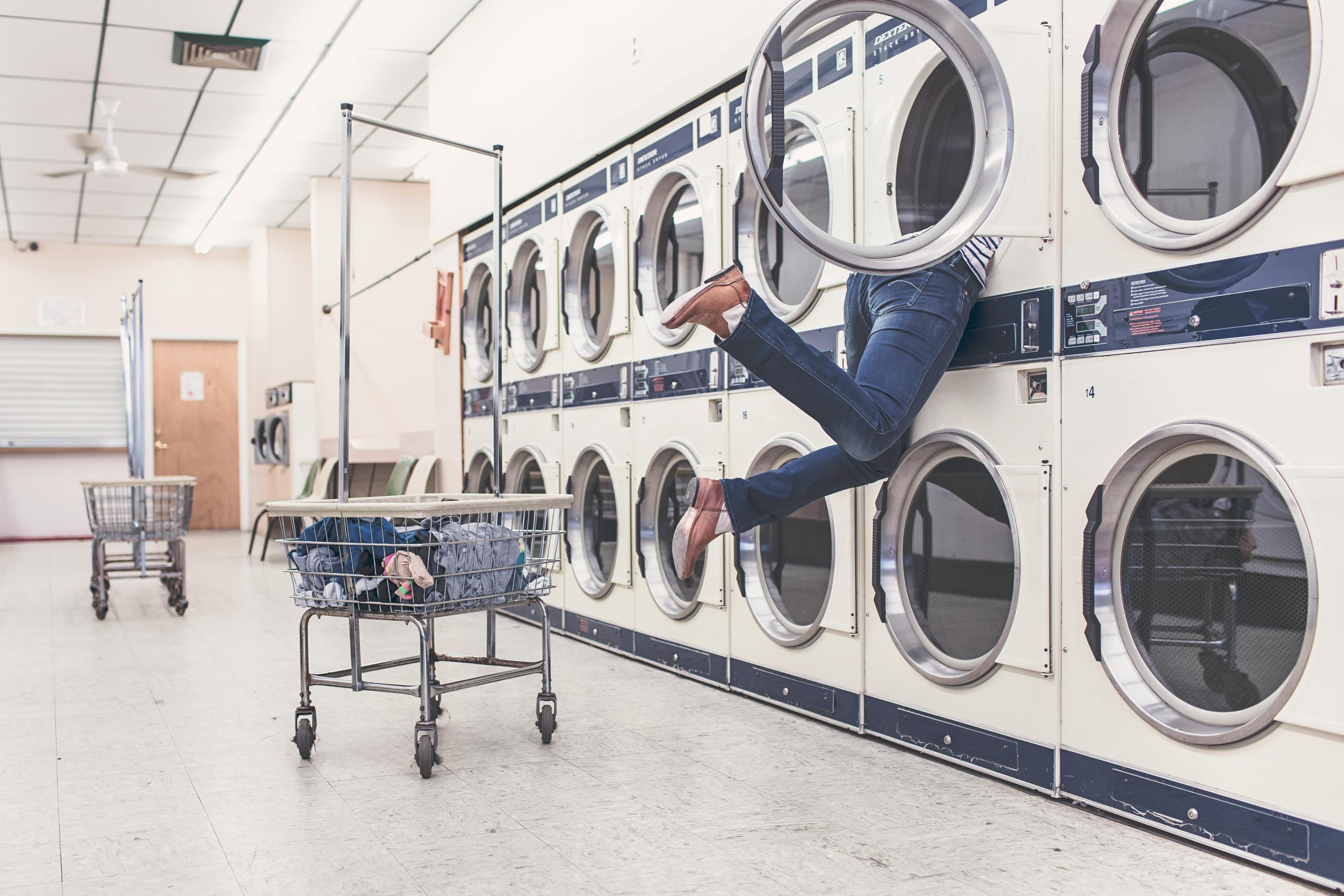
Quick Answer: Should You Buy a Laundromat?
Laundromats can be excellent investments if you know what to look for. They're recession resistant, generate strong cash flow, and offer passive income potential. However, buying a laundromat requires careful due diligence. Equipment age, location quality, lease terms, and hidden costs can make or break your investment. This guide will show you exactly what to look for, what questions to ask, and how to avoid costly mistakes.
You've probably heard that laundromats are one of the hottest businesses to buy right now. And you're not wrong. Over the past few years, I've seen more buyers interested in laundromats than almost any other type of business. They're recession resistant, cash flow positive, and don't require you to be there 24/7.
But here's what most people don't tell you: buying a laundromat is more complicated than it looks. The numbers can be misleading. The equipment might be on its last legs. And there are hidden costs that can turn a profitable business into a money pit.
After working with dozens of laundromat buyers and sellers, I've seen what works and what doesn't. I've watched buyers pay too much for businesses with outdated equipment. I've seen buyers miss red flags that cost them tens of thousands of dollars. And I've seen buyers who did everything right and built successful, profitable operations.
In this guide, I'll walk you through everything you need to know about buying a laundromat. I'll show you what to look for, what questions to ask, and what owners won't tell you upfront. This is Part 1 of a three part series, so I'll focus on the fundamentals: what laundromats are, why they're popular, and what to look for when evaluating a potential purchase.
Why Laundromats Are So Popular Right Now
Let me start by explaining why laundromats have become such a hot commodity. Understanding the appeal helps you see both the opportunities and the risks.
Recession Resistant Business Model
Laundromats are one of the few businesses that actually do well during economic downturns. When people lose their jobs or face financial stress, they don't stop doing laundry. They might cut back on eating out or cancel subscriptions, but they still need clean clothes.
During the 2008 recession, many laundromat owners saw their revenue increase. Why? Because people who lost their jobs started doing their own laundry instead of using services. People who moved into smaller apartments or shared housing needed laundromats because they didn't have in unit washers and dryers. According to industry data, laundromats typically maintain stable revenue even during economic downturns, making them attractive recession resistant investments.
This recession resistance makes laundromats attractive to buyers who want stability and predictability in their investment.
Cash Business with Strong Margins
Laundromats are primarily cash businesses. Customers pay with quarters, dollar bills, or credit cards at the machines. This means you get paid immediately, no waiting 30 to 60 days for invoices to be paid.
The margins can be excellent if you run the business right. A typical laundromat might have 60 to 70% gross margins after accounting for utilities, rent, and basic maintenance. That's significantly higher than many other service businesses.
I've seen laundromats generating $15,000 to $30,000 per month in revenue with $8,000 to $15,000 in net profit. That's real money, and it's mostly cash.
Passive Income Potential
Here's what draws many buyers: you don't have to be there all the time. Unlike restaurants or retail stores that require constant supervision, laundromats can run with minimal daily oversight.
Most successful laundromat owners I know visit their locations 2 to 3 times per week. They check the machines, collect cash, restock supplies, and handle maintenance. The rest of the time, the business runs itself.
This passive income potential is especially appealing to buyers who want to keep their day jobs or who want to own multiple locations without being tied to any single one.
Growing Market Demand
The demand for laundromats is actually growing, not shrinking. More people are living in apartments without in unit laundry. Urban populations are increasing. And the cost of buying and maintaining home washers and dryers is rising.
I've seen this trend in cities across the country. New apartment buildings are being built without laundry hookups to save costs. Existing buildings are removing laundry rooms to create more living space. This drives more customers to laundromats.
The aging population also contributes. Older adults often prefer laundromats because they don't want to maintain their own machines or can't physically handle large loads.
What Makes a Good Laundromat Investment?
This is one of the most important questions to answer before buying. Not all laundromats are created equal, and understanding what separates good investments from bad ones can save you tens of thousands of dollars.
Not all laundromats are created equal. I've seen buyers pay $300,000 for businesses that should have sold for $150,000. I've also seen buyers pass on $200,000 businesses that were worth $400,000.
Here's what separates good laundromat investments from bad ones.
Location, Location, Location
This might sound obvious, but location is everything with laundromats. A great location can make up for mediocre equipment. A bad location will kill even the best equipped laundromat.
What makes a good location:
- High density residential areas, especially apartments and multi family housing
- Areas with limited in unit laundry options
- Near public transportation or walkable neighborhoods
- Good visibility and easy access from the street
- Safe area with good lighting and security
- Parking available (even if limited)
What makes a bad location:
- Low population density
- High crime areas that customers avoid
- Difficult to access or poor visibility
- Too much competition nearby (more than 2 to 3 other laundromats within a mile)
- Declining neighborhoods with shrinking populations
I always tell buyers to visit the location at different times of day and different days of the week. See who's using it. Talk to customers if possible. Check the parking situation. Drive the neighborhood to understand the demographics.
Want help evaluating a laundromat location or finding laundromats for sale? Contact us and we can help you find the right opportunity, assess locations, and get the funding you need to make the purchase.
Equipment Age and Condition
This is where many buyers get burned. The equipment might look fine, but if it's 10 to 15 years old, you could be facing $50,000 to $100,000 in replacement costs within a few years.
What to check:
- Age of washers and dryers (look for model numbers and manufacturing dates)
- Condition of coin mechanisms and card readers
- Water pressure and drainage systems
- Electrical systems and capacity
- HVAC systems (laundromats get hot and humid)
- Security systems and cameras
Red flags:
- Equipment older than 8 to 10 years (most commercial washers last 10 to 15 years)
- Frequent breakdowns or repair history
- Outdated payment systems (only coin operated, no card readers)
- Poor maintenance records
- Signs of water damage or electrical issues
I've seen buyers inherit equipment that breaks down within months of purchase. The seller knew it was on its last legs but didn't disclose it. Always get a professional inspection of the equipment before closing.
Financial Performance
The numbers tell the real story, but you need to know how to read them. Many laundromat owners don't keep detailed books, so you'll need to verify revenue through other methods.
What to review:
- Tax returns for the past 3 years (if available)
- Bank statements showing cash deposits
- Utility bills (water and electricity usage can indicate activity levels)
- Coin collection records
- Card payment processor statements
- Rent and expense records
How to verify revenue:
Since laundromats are cash businesses, sellers might underreport income on taxes. But they might also overstate it to you. Here's how to verify:
- Utility bills: High water and electricity usage indicates high machine usage
- Coin collection frequency: How often does the owner collect? How much?
- Card reader data: If they have card readers, get the processor statements
- Observation: Visit the location multiple times and count customers
- Equipment capacity: Calculate maximum possible revenue based on machine count and hours
I always calculate revenue two ways: what the seller claims and what the equipment could realistically generate. If there's a big gap, I dig deeper.
Need help analyzing a laundromat's financials? Use our business valuation calculator to get an estimate of what the business might be worth based on the numbers.
Lease Terms
The lease can make or break a laundromat investment. I've seen buyers get stuck with leases that have huge rent increases coming, or leases that expire in 6 months with no renewal option.
Critical lease terms to review:
- Length: How many years remain? Is there a renewal option?
- Rent amount: Is it market rate? Are there scheduled increases?
- Rent as percentage of revenue: Most successful laundromats pay 8 to 15% of revenue in rent
- Triple net (NNN) vs gross lease: Who pays utilities, taxes, insurance, maintenance?
- Assignment clause: Can you transfer the lease if you sell?
- Exclusivity: Does the lease prevent other laundromats in the same building or nearby?
- Termination clauses: Can the landlord terminate early? Under what conditions?
I always recommend having a commercial real estate attorney review the lease before you make an offer. A bad lease can turn a good business into a bad investment.
Competition Analysis
You need to understand the competitive landscape. Too much competition means lower prices and lower profits. No competition might mean there's no demand.
What to research:
- How many other laundromats are within a 2 mile radius?
- What are their prices? (Visit and check)
- What's their condition? (Are they modern or outdated?)
- Do they offer services you don't? (Drop off service, dry cleaning, etc.)
- Are there any new laundromats planned or under construction?
Healthy competition:
- 2 to 3 other laundromats nearby is normal and healthy
- Competition keeps you sharp and validates market demand
- Different locations can serve different customer bases
Too much competition:
- More than 4 to 5 laundromats in a 2 mile radius usually means oversaturated market
- Price wars that drive down profitability
- Not enough customers to support all locations
No competition:
- Could mean great opportunity if demand exists
- Could mean no demand (why hasn't anyone else opened one?)
- Investigate why there's no competition before assuming it's an opportunity
What Do Laundromat Owners Not Tell You?
This section could save you tens of thousands of dollars. After working with many laundromat transactions, I've learned what sellers often don't disclose or downplay.
This is the section that could save you tens of thousands of dollars. After working with many laundromat transactions, I've learned what sellers often don't disclose or downplay.
The Real Maintenance Costs
Sellers will tell you maintenance is minimal. They'll say you just need to clean the machines and collect the money. That's not the whole story.
What they don't tell you:
- Commercial washers and dryers break down regularly, especially older models
- Repair costs average $200 to $500 per incident, and you'll have multiple incidents per year
- You'll need to replace parts regularly: hoses, belts, coin mechanisms, card readers
- Water damage from leaks can cost thousands to repair
- HVAC systems in laundromats work hard and need frequent maintenance
- Plumbing issues are common and expensive (commercial plumbing is costly)
Real numbers:
A well maintained laundromat with 20 washers and 20 dryers might have $3,000 to $6,000 in annual maintenance costs. A poorly maintained one could have $10,000 to $15,000 or more.
I always recommend setting aside 5 to 10% of revenue for maintenance and repairs. If the seller claims they spend less, they're either lying or deferring maintenance, which means you'll pay for it later.
The Utility Cost Reality
Utility costs are one of the biggest expenses for laundromats, and sellers often underestimate them or don't account for rate increases.
What to know:
- Water costs can be $500 to $1,500 per month depending on usage and local rates
- Electricity costs can be $800 to $2,000 per month for machines, lighting, and HVAC
- Utility rates are rising in most areas, so historical costs might not reflect future costs
- Some locations have demand charges that can spike your electric bill
- Water and sewer rates often increase faster than inflation
How to verify:
Get 12 months of utility bills, not just the most recent ones. Look for seasonal variations. Check if there are any pending rate increases. Contact the utility companies directly to understand the rate structure.
I've seen buyers who budgeted $1,200 per month for utilities only to discover the actual costs are $2,000 per month. That $800 difference can turn a profitable business into a break even operation.
The Competition They're Not Mentioning
Sellers will tell you about the competition you can see. They won't always mention the competition that's coming.
What to ask:
- Are there any new laundromats planned or under construction nearby?
- Are apartment buildings in the area adding in unit laundry?
- Are there any new developments that could affect foot traffic?
- Is the area growing or declining in population?
I always check with local planning departments and building permit offices. I look for new construction that could add competition or remove demand. I check demographic trends to see if the area is growing or shrinking.
A new laundromat opening a block away can cut your revenue by 20 to 30%. A new apartment building with in unit laundry can reduce your customer base. These are things sellers might know but won't volunteer.
The Real Hours Required
Sellers will tell you it's a passive business. They'll say you can visit 2 to 3 times per week. That's true for established, well run operations. But it's not true when you're starting out or when things go wrong.
Reality check:
- You'll spend more time in the first 6 to 12 months learning the business
- Equipment breakdowns require immediate attention (customers can't wait)
- You'll need to be available for emergencies (floods, break ins, major repairs)
- Peak times (weekends, evenings) might require your presence to handle crowds
- Maintenance and cleaning take more time than sellers admit
Most successful laundromat owners I know spend 10 to 20 hours per week on their business, not the 5 to 10 hours sellers often claim. And that's for a well run operation. If you're fixing problems or dealing with issues, it can be 30 to 40 hours per week.
The Customer Base Reality
Sellers will tell you about their loyal customer base. They might show you numbers that look great. But customer bases can change quickly.
What to understand:
- Laundromat customers are price sensitive and will switch for better prices or newer equipment
- Customer loyalty is lower than sellers claim (most customers go to the closest or cheapest option)
- Demographics can shift (neighborhoods change, populations move)
- New competition can steal customers quickly
- Economic changes can affect customer behavior
I always verify customer retention by checking if the business has been maintaining revenue over time. Declining revenue might indicate customers are leaving. Stable or growing revenue suggests a solid customer base.
What Metrics Should You Evaluate When Buying a Laundromat?
When you're looking at a laundromat, these are the numbers that matter most. Sellers will show you revenue and profit, but these metrics tell the real story.
When you're looking at a laundromat, these are the numbers that matter most. Sellers will show you revenue and profit, but these metrics tell the real story.
Revenue per Machine
This is one of the most important metrics. It tells you how well the equipment is being utilized.
How to calculate:
Total monthly revenue divided by number of machines (washers and dryers combined).
What's good:
- $300 to $500 per machine per month is excellent
- $200 to $300 per machine per month is good
- Under $200 per machine per month suggests underutilization or pricing issues
What to watch for:
- Very high revenue per machine might indicate the seller is working there constantly (not passive)
- Very low revenue per machine might indicate location issues, competition, or equipment problems
- Compare to industry averages (most laundromats average $250 to $350 per machine per month)
Rent as Percentage of Revenue
This metric tells you if the location cost is sustainable.
How to calculate:
Monthly rent divided by monthly revenue, expressed as a percentage.
What's good:
- 8 to 12% is ideal
- 12 to 15% is acceptable
- Over 15% is concerning (rent is eating too much profit)
- Under 8% is great but might indicate the landlord will raise rent
Why it matters:
If rent is 20% of revenue, that leaves less for other expenses and profit. A rent increase could make the business unprofitable. I always model what happens if rent increases by 10 to 20% to see if the business can still be profitable.
Net Profit Margin
This is what you'll actually take home after all expenses.
How to calculate:
(Revenue minus all expenses) divided by revenue, expressed as a percentage.
What's good:
- 25 to 35% net margin is excellent for a laundromat
- 15 to 25% is good
- 10 to 15% is acceptable but tight
- Under 10% is concerning
What affects margins:
- Equipment age (older equipment = higher maintenance costs = lower margins)
- Utility costs (high utility costs = lower margins)
- Rent (high rent = lower margins)
- Competition (price competition = lower margins)
I always verify the seller's claimed profit margins by reviewing expenses carefully. Many sellers don't account for all their time or all maintenance costs when calculating profit.
Customer Count and Frequency
Understanding how many customers you have and how often they come tells you about the business's health.
How to estimate:
- Count customers during multiple visits
- Review card reader data if available
- Calculate based on revenue and average transaction size
- Check utility usage patterns (more usage = more customers)
What's healthy:
- 200 to 400 regular customers (visit at least monthly)
- Mix of weekly, bi weekly, and monthly customers
- Growing or stable customer count (not declining)
Red flags:
- Declining customer counts
- Very low customer frequency (suggests customers are leaving)
- Inability to estimate customer count (seller doesn't know their business)
What Mistakes Do First Time Laundromat Buyers Make?
I've seen buyers make these mistakes over and over. Learning from them can save you money and headaches. Here are the most common and costly mistakes to avoid.
Mistake 1: Not Verifying Revenue
This is the biggest mistake. Sellers will tell you the revenue, but you need to verify it independently.
How buyers get burned:
- They trust the seller's numbers without verification
- They don't check utility bills to validate usage
- They don't observe the business to count customers
- They don't review bank statements or payment processor data
How to avoid it:
- Get 12 months of bank statements showing deposits
- Review utility bills to understand usage patterns
- Visit the location multiple times and observe activity
- Get card reader data if available
- Calculate maximum possible revenue based on equipment capacity
- Compare claimed revenue to what's physically possible
I always tell buyers: if you can't verify the revenue, assume it's 20 to 30% lower than claimed. That's usually closer to reality.
Mistake 2: Underestimating Maintenance Costs
Buyers see the revenue and think it's all profit. They don't account for the real maintenance costs.
How buyers get burned:
- They believe the seller's low maintenance cost claims
- They don't get equipment inspected by a professional
- They don't research replacement costs for aging equipment
- They don't set aside reserves for unexpected repairs
How to avoid it:
- Get a professional inspection of all equipment
- Research the age and expected lifespan of each machine
- Budget 5 to 10% of revenue for maintenance
- Set aside $10,000 to $20,000 for unexpected repairs
- Ask the seller for 12 months of maintenance records and receipts
Mistake 3: Ignoring the Lease
Buyers focus on the business and forget about the lease. But a bad lease can kill a good business.
How buyers get burned:
- They don't read the lease carefully
- They don't check for rent increases
- They don't verify lease terms with the landlord
- They assume they can renew or renegotiate easily
How to avoid it:
- Have a commercial real estate attorney review the lease
- Verify all lease terms with the landlord directly
- Check for scheduled rent increases
- Understand what happens at lease expiration
- Negotiate lease terms as part of the purchase (if possible)
Mistake 4: Not Understanding the Competition
Buyers see a laundromat with good numbers and assume it will stay that way. They don't check what competition is coming.
How buyers get burned:
- They don't research planned new laundromats
- They don't check for new apartment buildings with in unit laundry
- They don't understand the competitive dynamics
- They assume current conditions will continue
How to avoid it:
- Check with local planning departments for new construction
- Research demographic trends in the area
- Visit and evaluate all nearby competitors
- Understand why customers choose this location over others
- Model what happens if a new competitor opens nearby
Mistake 5: Paying Too Much
This happens when buyers fall in love with the business and stop thinking rationally about the numbers.
How buyers get burned:
- They pay based on revenue, not profit
- They don't account for all expenses
- They use unrealistic multiples
- They don't compare to other similar businesses
How to avoid it:
- Value based on net profit, not revenue
- Use appropriate multiples (2 to 3 times annual profit for laundromats)
- Account for all expenses, including your time
- Compare to other laundromat sales in the area
- Get a professional business valuation
Need help determining what a laundromat is worth? Use our business valuation calculator to get an estimate based on the financials.
How Do You Finance a Laundromat Purchase?
Most buyers need financing to purchase a laundromat. Here are your options, including SBA loans which are popular for business acquisitions.
SBA Loans
SBA loans are popular for business acquisitions because they offer lower down payments and longer terms than conventional loans.
SBA 7(a) loans for laundromats:
- Down payment: 10 to 20% (typically 15%)
- Terms: 10 to 25 years
- Interest rates: Prime plus 2 to 4%
- Requirements: Good credit (680+), business plan, financial statements
Pros:
- Lower down payment than conventional loans
- Longer repayment terms
- Can include working capital and equipment
Cons:
- Strict qualification requirements
- Longer approval process (60 to 90 days)
- Personal guarantee required
- Collateral requirements
I've helped many buyers get SBA loans for laundromat purchases. The key is having strong credit, good financials, and a solid business plan.
Looking for a laundromat to buy or need financing? Contact us and we can help you find laundromats for sale across the USA and secure the funding you need, whether it's for the purchase or retooling an existing location.
Seller Financing
Seller financing can be an excellent option for laundromat purchases, especially if you can't qualify for bank financing or want more flexible terms.
How it works:
The seller loans you part of the purchase price. You make monthly payments directly to them.
Typical terms:
- Down payment: 10 to 30%
- Interest rate: 6 to 10%
- Term: 5 to 10 years
- Monthly payments based on amortization
Pros:
- Easier qualification than bank loans
- More flexible terms
- Faster closing (30 to 45 days)
- Can negotiate terms that work for both parties
Cons:
- Seller might want higher interest rate than banks
- Seller might want personal guarantees
- Need to work directly with seller on payments
I've seen many laundromat deals structured with seller financing. It's especially common when the seller has owned the business for many years and has equity to work with.
Want to explore seller financing options or find laundromats with flexible financing? Contact us and we can help you find opportunities, structure offers that include seller financing, and secure additional funding if needed.
Conventional Bank Loans
Traditional bank loans are an option if you have strong credit and financials.
Typical terms:
- Down payment: 20 to 30%
- Terms: 5 to 10 years
- Interest rates: Vary by bank and your credit
- Requirements: Strong credit (720+), collateral, financial statements
Pros:
- Potentially lower interest rates
- Established process and terms
- Can build banking relationship
Cons:
- Higher down payment requirements
- Stricter qualification
- Shorter terms than SBA loans
- More difficult to qualify
Alternative Financing
If traditional financing doesn't work, there are alternative options.
Options include:
- Unsecured business loans
- Equipment financing
- Business lines of credit
- Private lenders
When to consider:
- Can't qualify for SBA or bank loans
- Need faster approval
- Want more flexible terms
- Need additional working capital
Want to explore alternative financing options? Check out our funding programs that can provide up to $500,000 with flexible terms.
What Should You Do Next to Buy a Laundromat?
If you're serious about buying a laundromat, here's your step by step action plan to get started.
Step 1: Educate Yourself Further
This guide covers the fundamentals, but there's more to learn. In Part 2 of this series, I'll cover the due diligence process in detail: what documents to review, what inspections to get, and what red flags to watch for. In Part 3, I'll cover the transition process: how to take over the business, what to change immediately, and how to grow revenue after purchase.
Read Part 2: What to Know Before Buying a Laundromat: Due Diligence Checklist
Read Part 3: Taking Over Your Laundromat: Transition Guide and Growth Strategies
Step 2: Start Looking at Listings
Begin browsing laundromats for sale. Look on BizBuySell, contact business brokers, and check local listings. Don't make offers yet. Just get familiar with what's available and what prices look like.
Step 3: Visit Locations
When you find interesting listings, visit them. See the locations, observe the customers, check out the equipment. Get a feel for what makes a good laundromat versus a bad one.
Step 4: Get Professional Help
Don't try to do this alone. Work with:
- A business broker who understands laundromats
- A commercial real estate attorney for lease review
- An accountant to review financials
- An equipment inspector to evaluate machines
- A business valuation expert if needed
Ready to start your laundromat search? Contact us and we can help you find the right laundromat opportunity, conduct proper due diligence, and secure the funding you need to make the purchase. We work with buyers across the USA to find and finance laundromat acquisitions.
Step 5: Run the Numbers
Before making any offer, run the numbers carefully. Calculate:
- Total purchase price including all costs
- Down payment and financing needs
- Monthly debt service
- Operating expenses
- Net profit after all expenses
- Return on investment
- Break even analysis
Need help with the financial analysis? Use our business valuation calculator to estimate what a laundromat might be worth and whether the numbers work for your situation.
Conclusion
Buying a laundromat can be a great investment. They're recession resistant, cash flow positive, and can provide passive income. But they're not as simple as they seem. The equipment requires maintenance. The utilities cost more than sellers admit. And there are hidden costs that can turn a profitable business into a money pit.
The key is doing your homework. Verify the revenue. Inspect the equipment. Understand the lease. Research the competition. And don't pay more than the business is worth.
If you're considering buying a laundromat, start by educating yourself. Visit locations. Talk to owners. Understand the business model. Then, when you find the right opportunity, do thorough due diligence before making an offer.
In Part 2 of this series, I'll dive deep into the due diligence process. I'll show you exactly what documents to review, what inspections to get, and what questions to ask. In Part 3, I'll cover taking over the business and growing it after purchase.
The right laundromat, in the right location, with the right equipment, can be an excellent investment. But the wrong one can be a costly mistake. Take your time, do your research, and get professional help. The opportunity will still be there when you're ready.
Ready to find the right laundromat for you? Contact us for help finding laundromats for sale, evaluating opportunities, structuring offers, and getting the funding you need. Whether you're looking to buy an existing laundromat or retool one that needs updating, we can help you find the right opportunity and secure financing.
Want to understand what a laundromat might be worth? Use our free business valuation calculator to get an estimate based on revenue, expenses, and industry multiples.
Need financing for your laundromat purchase or retooling? We can help you find laundromats for sale and get the funding you need. Explore our funding options including SBA loans, seller financing assistance, equipment financing for retooling, and alternative lending programs that can help you acquire and improve the right business.
About the Author
Jenesh Napit is an experienced business broker specializing in business acquisitions, valuations, and exit planning. With a Bachelor's degree in Economics and Finance and years of experience helping clients successfully buy and sell businesses, he provides expert guidance throughout the entire transaction process. As a verified business broker on BizBuySell and member of Hedgestone Business Advisors, he brings deep expertise in business valuation, SBA financing, due diligence, and negotiation strategies.
You might also be interested in
Free Business Calculators
Try our business valuation calculator and ROI calculator to estimate values and returns instantly.
How to Buy a Business Guide
Download our comprehensive free guide covering everything you need to know about buying a business.
Our Services
Explore our professional business brokerage services including valuations and buyer representation.
More Articles
Browse our complete collection of business brokerage insights and expertise.